The Study Behind Paver Cleaning: Why It Matters
In the realm of maintaining the beauty and functionality of your outdoor spaces, paver cleaning is an essential yet often overlooked task. Over time, dirt, grime, algae, and even persistent oil stains can accumulate on the brick pavers, dulling their appearance and compromising their lifespan. Understanding the science behind paver cleaning not only improves the aesthetic appeal of the driveways and patios but also safeguards your investment in hardscaping.
In this article, we will discuss the importance of paver cleaning, the signs that show your brick pavers need expert attention, and the best practices for maintaining their longevity. From common mistakes homeowners make while pressure washing to the benefits of using high-quality sealers, we will discuss everything you need to know to keep your outdoor spaces looking their best. If you're a seasoned homeowner or new to upkeep, comprehending these aspects will enable you to make informed decisions about the paver care.
Indicators That Your Pavers Are Due for Professional Cleaning
One of the most visible clues that your brick pavers require professional cleaning is the appearance of heavy stains, especially those caused by grease or oil. These stains can build up over time, particularly in areas where vehicles frequently park or where grills are used. Standard maintenance may not be adequate to eliminate these tenacious marks, and professional services can provide the necessary equipment and cleaning agents to renew your pavers to their original condition.
A further indicator is the growth of mildew, algae, or even weeds in the joints between your pavers. These not only lessen from the overall aesthetic of your outdoor space but can also lead to damage if left unaddressed. Mold and algae thrive in wet environments, and their existence may signal that your pavers have not been effectively sealed. Brand Name : Perfect Paver Co. can effectively eliminate these issues, stopping potential health hazards and structural damage to your hardscape.
In conclusion, if you notice that your pavers look drab and faded, this is a strong sign that they need a thorough cleaning. Environmental conditions such as UV rays, heavy rains, and even pollutants can erode the protective layer of your pavers over time. A professional cleaning can refresh their look and ensure that any necessary sealing is administered to extend their durability and keep them looking fresh.
Maintaining and Coating for Longevity
To prolong the life of your pavers, routine cleaning and sealing are crucial. Over time, soil, grime, and biological growth such as fungus and lichen can collect, leading to not just aesthetic issues but potential structural damage as well too. Adequately washing pavers removes these debris and prepares the area for coating, allowing the sealer to stick effectively and perform its job of protecting against abrasion and stains.
Sealing pavers adds an additional layer of defense against the environment, including humidity and ultraviolet light. There are various types of coatings available, including shiny and flat finishes. Choosing the appropriate sealer depends on your aesthetic preference and the specific needs of your pavers. Coating also helps to prevent salt deposits, a common issue characterized by a chalky white powder caused by the release of minerals through the paver material.
To maintain the integrity and look of your paver surfaces, it is crucial to adhere to a maintenance and coating plan. Experts advise washing and coating your pavers every 1 to 3 years, depending on exposure to weather and people walking. Following a consistent upkeep schedule not just maintains your pavers looking new, but also conserves money in the long run by avoiding costly fixes or replacements.
Typical Mistakes to Steer Clear Of
One typical mistake homeowners make when cleaning pavers is using the incorrect cleaning products. Numerous people assume that all household cleaners are acceptable, but severe chemicals can deteriorate the surface of the pavers or affect the surrounding vegetation. It is vital to use eco-friendly detergents specifically designed for patio pavers. These products ensure that the cleaning process is both effective and safe, preserving the integrity of your outdoor space.
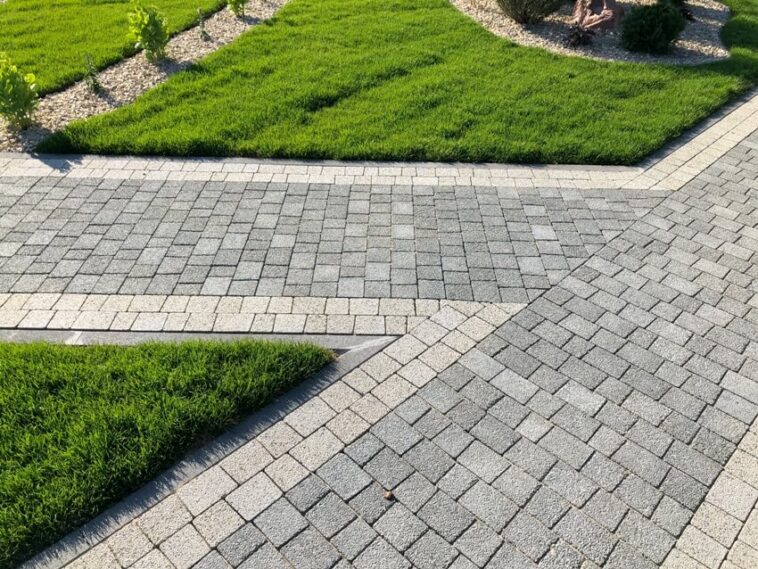
Another frequent mistake is ignoring the importance of proper sealing after cleaning. Failing to seal pavers can result in quick re-soiling, allowing dirt, weeds, and stains to return faster than expected. To maximize the lifespan of your pavers, always follow a thoroughly comprehensive cleaning with an appropriate sealer. Additionally, comprehending the difference between wet-look and matte sealers can aid you select the right finish for your desired aesthetic.
Lastly, a lot of homeowners underestimate the influence of weather on their paver maintenance. Cleaning and sealing during wet seasons can have detrimental effects, as heavy rains can wash away newly installed sealants or disrupt the application of polymeric sand in joints. To avoid such issues, it is essential to opt for a dry weather window for your paver cleaning and sealing tasks, ensuring that the effects are both efficient and resilient.